Archives
- 2026-11
- 2026-10
- 2026-09
- 2026-08
- 2026-07
- 2026-06
- 2026-05
- 2026-04
- 2026-03
- 2026-02
- 2026-01
- 2025-12
- 2025-11
- 2025-10
- 2025-09
- 2025-04
- 2025-03
- 2025-02
- 2025-01
- 2024-12
- 2024-11
- 2024-10
- 2024-09
- 2024-08
- 2024-07
- 2024-06
- 2024-05
- 2024-04
- 2024-03
- 2024-02
- 2024-01
- 2023-12
- 2023-11
- 2023-10
- 2023-09
- 2023-08
- 2023-06
- 2023-05
- 2023-04
- 2023-03
- 2023-02
- 2023-01
- 2022-12
- 2022-11
- 2022-10
- 2022-09
- 2022-08
- 2022-07
- 2022-06
- 2022-05
- 2022-04
- 2022-03
- 2022-02
- 2022-01
Sorafenib was the first small RTK inhibitor
2023-05-15
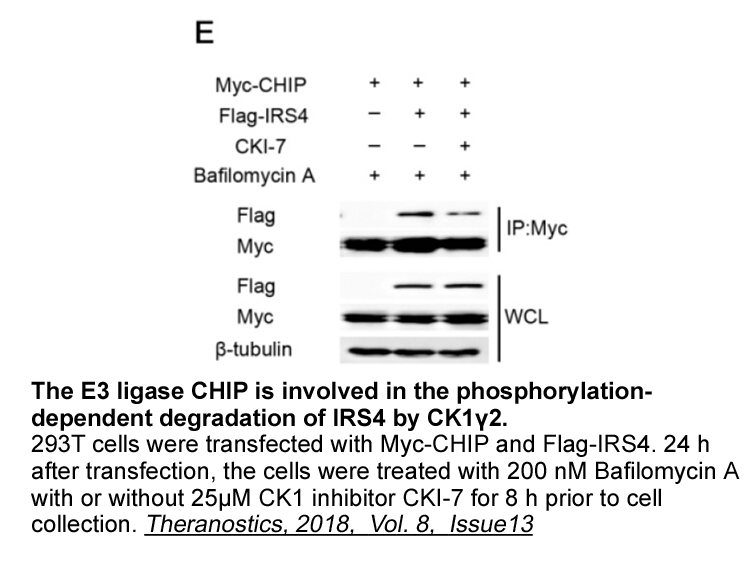
Sorafenib was the first small RTK inhibitor drug to be developed and was initially approved against renal cell carcinoma, then against hepatocellular carcinoma (HCC) and more recently for differentiated thyroid treatment [111]. Sunitinib soon followed, being approved for gastrointestinal stromal tu
We designed SSOs that block
2023-05-15
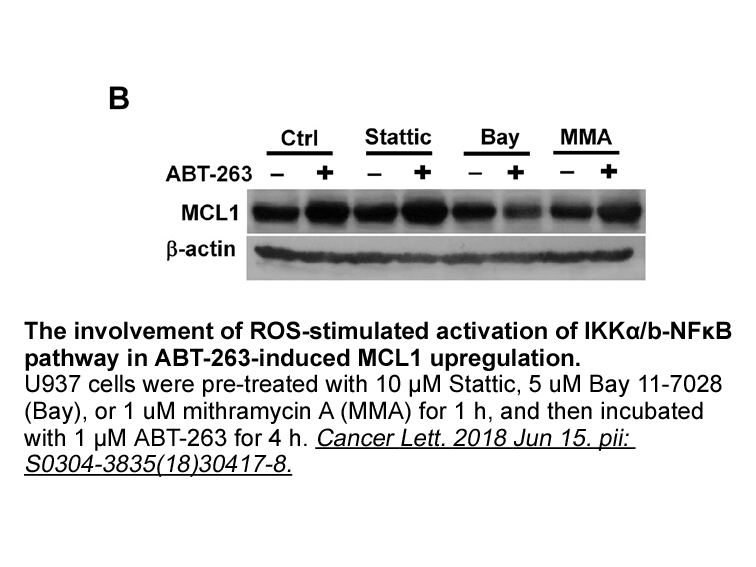
We designed SSOs that block APP exon 17 splicing and induce the production of an alternatively spliced APP mRNA lacking exon 17 (APPΔex17). APPΔex17 mRNA encodes an APP protein isoform that lacks 49 Cytarabine including the γ-secretase cleavage sites that give rise to the toxic, AD-associated Aβ42
Cell surface metalloproteases coordinate signaling during de
2023-05-15
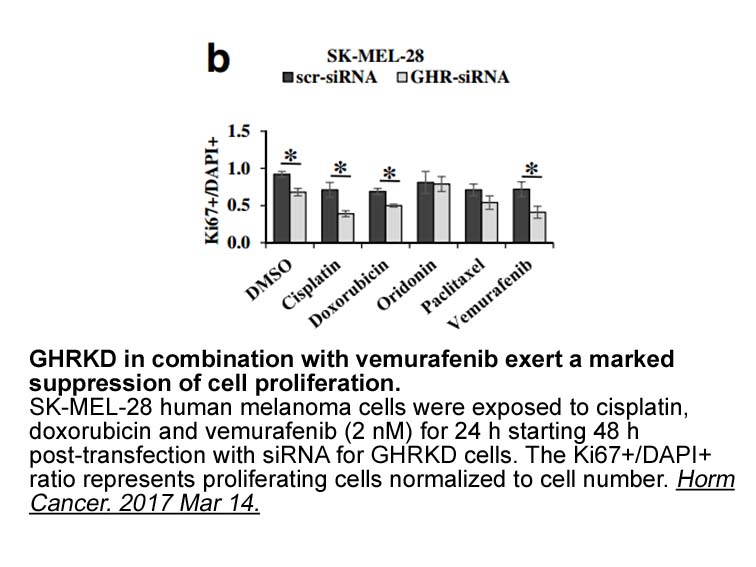
Cell surface metalloproteases coordinate signaling during development, tissue homeostasis, and disease. A disintegrin and metalloprotease 17 (ADAM17) is a well-characterized member among ADAM family, which mediates the cleavage of various cell surface proteins (Black, 2002, Black et al., 1997, Dello
AKT has been shown to be important for G S
2023-05-15
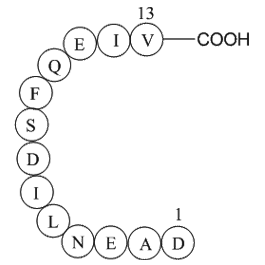
AKT1 has been shown to be important for G1-S checkpoint transition and proliferation, whereas AKT2 regulates cell-cycle exit through its interaction with p21 (Héron-Milhavet et al., 2006). In a recent study in triple negative breast cancer, AKT3, rather than AKT1 activity was most important for cell
br Materials and methods br
2023-05-11
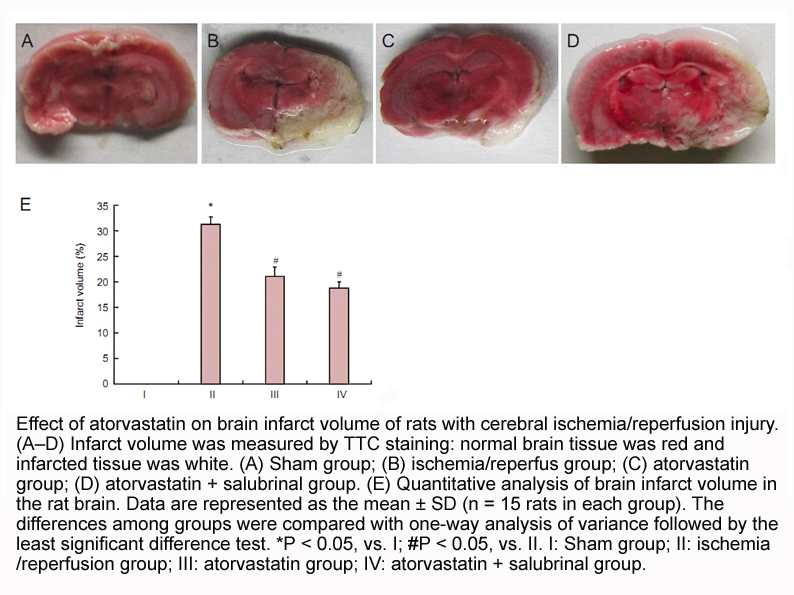
Materials and methods Results Discussion Cdc42 has been implicated in mediating the entry of HCV into hepatocytes, but how Cdc42 affects the response of HCV patients to IFN therapy is unknown. This study therefore examined the genetic association between Cdc42-related genes and efficacy of
The therapeutic potential of ML induced MET
2023-05-09
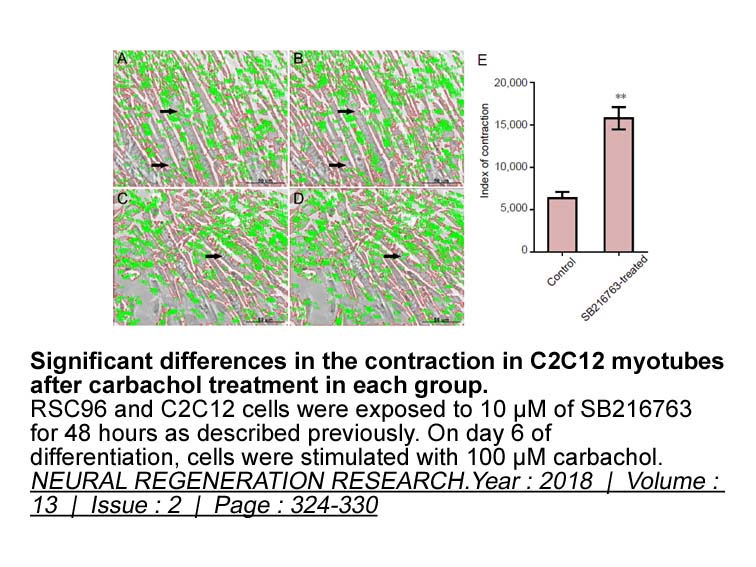
The therapeutic potential of ML327-induced MET against Epibrassinolide mg of mesenchymal origin has not been explored. In the present study, we hypothesized that induction of MET using ML327 would block the growth of ES cells and sensitize to TRAIL-mediated apoptosis. Herein, we report that ML327 in
br HMG proteins mobile modulators
2023-05-08
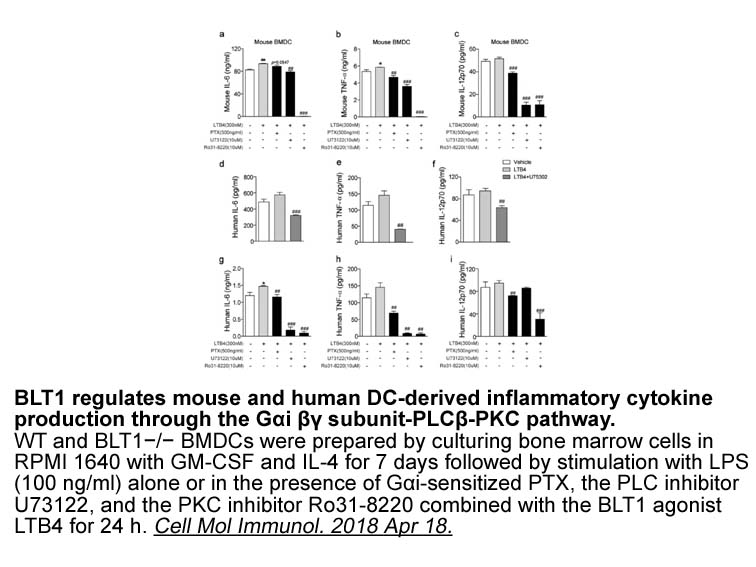
HMG proteins: mobile modulators of chromatin structure and cellular phenotype The term “High Mobility Group” was originally coined for the HMG proteins because of their unusual solubility properties, their small size and their rapid mobility, relative to other chromatin proteins, during gel elect
Despite functional studies demonstrating the role of
2023-05-06
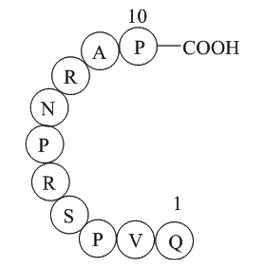
Despite functional studies demonstrating the role of 5-HT in ureteral contractility, the source of endogenous 5-HT in the ureter is unclear. Since 5-HT-containing enterochromaffin cells, which are present in the gastrointestinal tract, could not be found in the ureter (Nocito et al., 2007, Ripoche,
The most widely recognized effects of
2023-05-06
The most widely recognized effects of adenosine are operated through inhibiting A1R, one of the most abundant G protein-coupled receptors in prostaglandin e2 tissue [53]. A1R are located presynaptically, postsynaptically and nonsynaptically [54]. Effect of adenosine in neuronal circuits of adult mam
br Discussion Mycobacterium tuberculosis infection is
2023-05-06
Discussion Mycobacterium tuberculosis infection is a main threat to mankind, with one third of the world population being infected. [9] Over nine million new cases of tuberculosis and two million deaths from this disease occur yearly worldwide. [10] The rising incidence of tuberculosis over the l
br Introduction ACK or Activated Cdc Associated Kinase
2023-05-06
Introduction ACK1, or Activated Cdc42-Associated Kinase, located on chromosome 3q, is a ubiquitously expressed non-receptor tyrosine kinase cloned from a human Canine EGF / Epidermal Growth Facto Protein (His Tag) cDNA library (Manser et al., 1993). It was first identified to bind to activated
HT modulates cortical and hippocampal pyramidal cell functio
2023-05-06

5-HT modulates cortical and hippocampal pyramidal cell function in a very complex manner, since most 5-HT receptor subtypes (excitatory as well as inhibitory) are expressed on pyramidal p38 inhibitor as well as GABAergic interneurons that exert inhibitory control over pyramidal cells (Leiser et al.,
For the NSCLC patients with EGFR activating mutations EGFR
2023-05-06
For the NSCLC patients with EGFR-activating mutations, EGFR-TKIs (gefitinib and erlotinib) are effective clinical therapies [21], [22]. However, approximately 10% of patients harboring EGFR-sensitizing mutations exhibit intrinsic resistance, and up to 40% do not attain a major response to treatment
br The embryological and physiological roles of ATX ATX is
2023-05-06
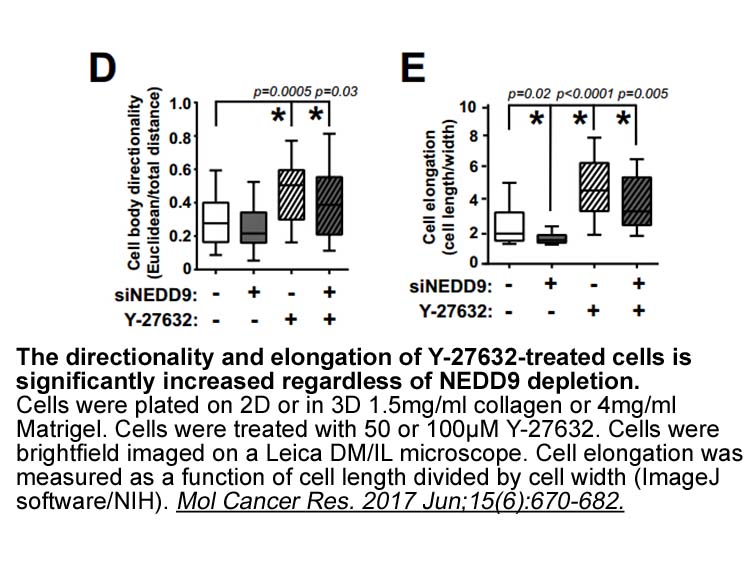
The embryological and physiological roles of ATX ATX is a vital enzyme that is needed for early embryological development. ATX knockout (KO) (ENPP2−/−) embryos die in utero on average at day 9.5 with vascular and neural tube defects [30], [73], [74], [75]. In these mice, malformations in the alla
br Conclusion br List of
2023-05-06
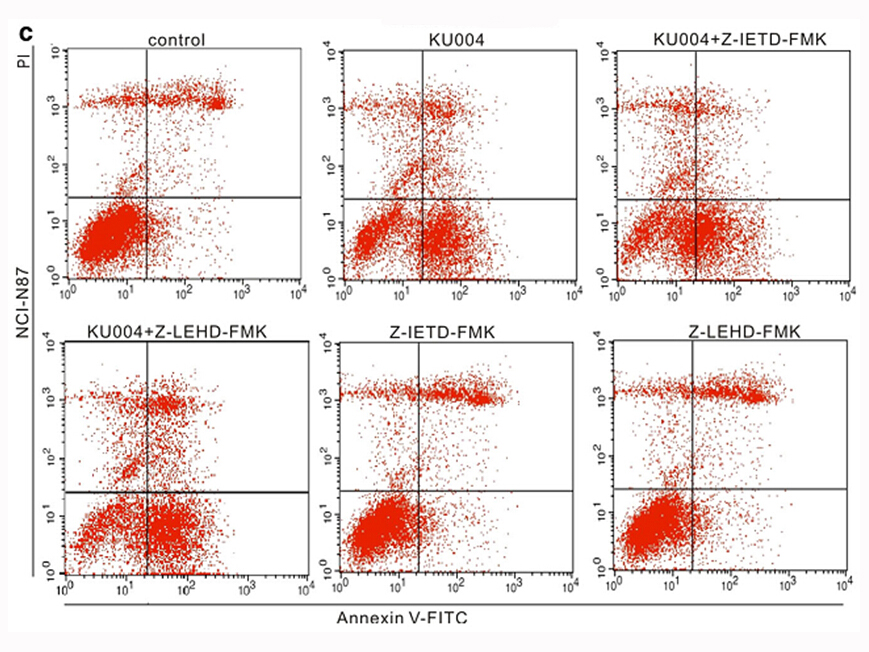
Conclusion List of abbreviations Acknowledgment The studies performed by our laboratory and presented in this review were supported by the Ministry of Education, Culture, Sports, Science and Technology of Japan, (KAKENHI 17590618 [to H.I.] and KAKENHI 22249017 [to Y.Y.]), and the Japanese S
7999 records 339/534 page Previous Next First page 上5页 336337338339340 下5页 Last page